When you’re paying down debt, it’s not always clear which strategy makes the most sense. Should you focus on your smallest balance, look into consolidation, ask for help from a credit counselor, or consider other options?
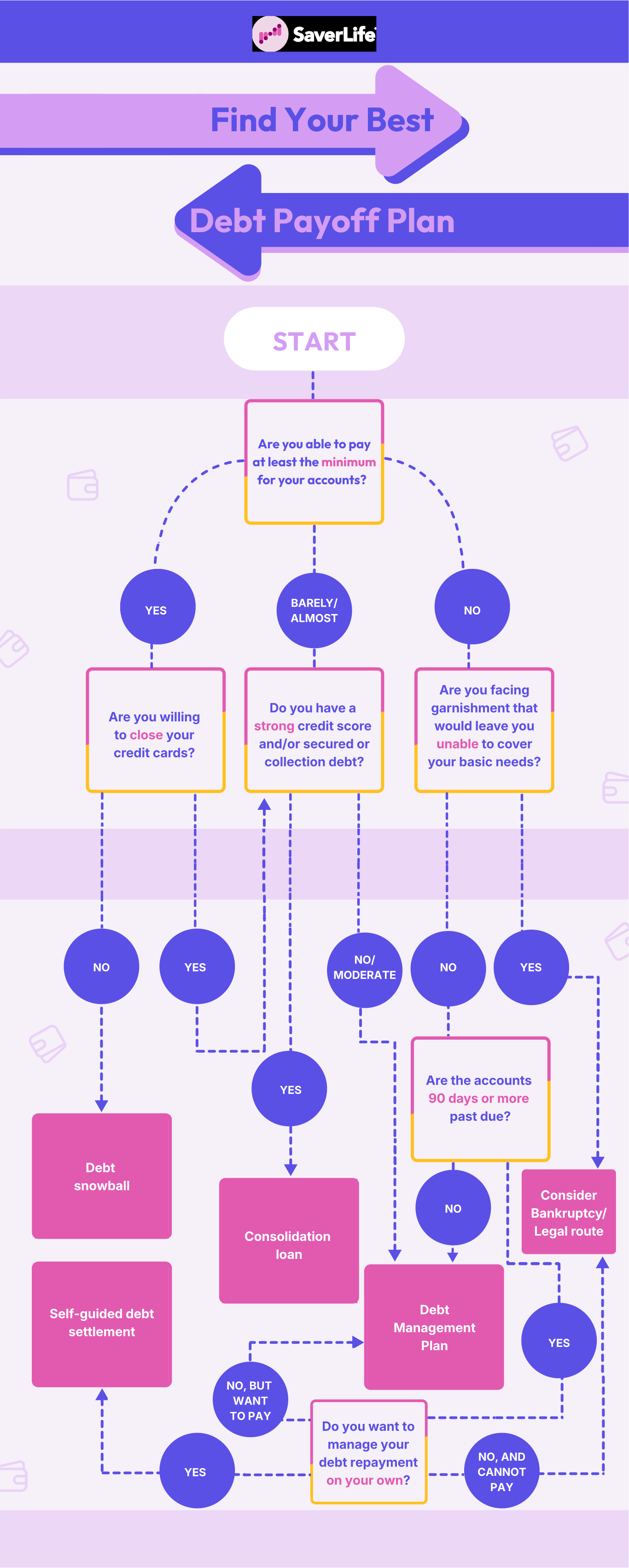
Use the debt decision tree below to find a starting point based on your situation. Then, scroll down to learn more about each option, including who it may be best for, what to watch out for, and next steps you can take.
Debt snowball
The debt snowball method focuses on paying off your smallest balance first while making minimum payments on everything else. Once the smallest debt is paid off, you roll that payment into the next debt. Many people like this approach because the quick wins can help build momentum and motivation.
Best for: People who want full control over their debt payoff plan and stay motivated through progress.
Next steps:
Learn more about how to implement the debt snowball strategy.
Debt consolidation
Debt consolidation combines multiple debts into a single loan, ideally at a lower interest rate. This can simplify payments and reduce how much interest you pay over time.
Best for: People with fair-to-good credit who can qualify for a lower APR and want to streamline payments.
Important: Avoid using credit cards again while paying off the consolidation loan.
Next steps:
Compare loan rates from banks, credit unions, and trusted lenders.
Debt management plan (DMP)
A debt management plan works through a nonprofit credit counseling agency to lower interest rates and combine payments into one monthly payment. Most plans require closing credit cards while paying off debt.
Best for: People who want help lowering payments and staying current, even with imperfect credit.
Good to know: Some agencies can also discuss settlement options for certain accounts if needed.
Next steps:
Connect with SaverPerks partner MMI or Greenpath to schedule your appointment.
Read: How a credit counseling appointment can help and what to expect: a step-by-step guide
Debt settlement
Debt settlement involves negotiating with creditors to pay less than the full balance owed. This usually works best when accounts are already seriously past due.
Best for: People who are struggling to keep up and have accounts that are already delinquent.
Important: Many non-profit credit counseling agencies offer settlement assistance. Avoid high fees by working directly with your creditors or a non-profit agency.
Next steps:
Contact your creditors directly to discuss settlement options.
Read: Should you negotiate debt settlement on your own?
Bankruptcy or legal support
Bankruptcy may help when debt has become unmanageable, and other repayment strategies are no longer realistic. Legal aid or financial counseling can also help if you’re facing wage garnishment, lawsuits, or overwhelming debt.
Best for: People experiencing severe financial hardship or legal collection actions.
Next steps:
Speak with a nonprofit legal aid organization.
Connect with SaverPerks partner Upsolve for free help filing.