Paying off debt can feel overwhelming, especially when you’re juggling multiple balances, interest rates, and monthly payments. If you’re not sure where to start, the debt snowball method offers a simple, structured way to build momentum and stay motivated.
The debt snowball method focuses on paying off your smallest debt first while continuing to make minimum payments on everything else. Once that smallest balance is gone, you roll that payment into the next debt. Over time, your payments “snowball” into larger and larger amounts.
For many people, the biggest benefit isn’t math, it’s motivation. Seeing debts disappear can help you stay consistent and feel more in control of your money.
Step 1: List your debts from smallest to largest
Start by writing down all your debts by balance size (not interest rate)
Include:
- Credit cards
- Medical debt
- Personal loans
- Store cards
- Other consumer debt
Example:
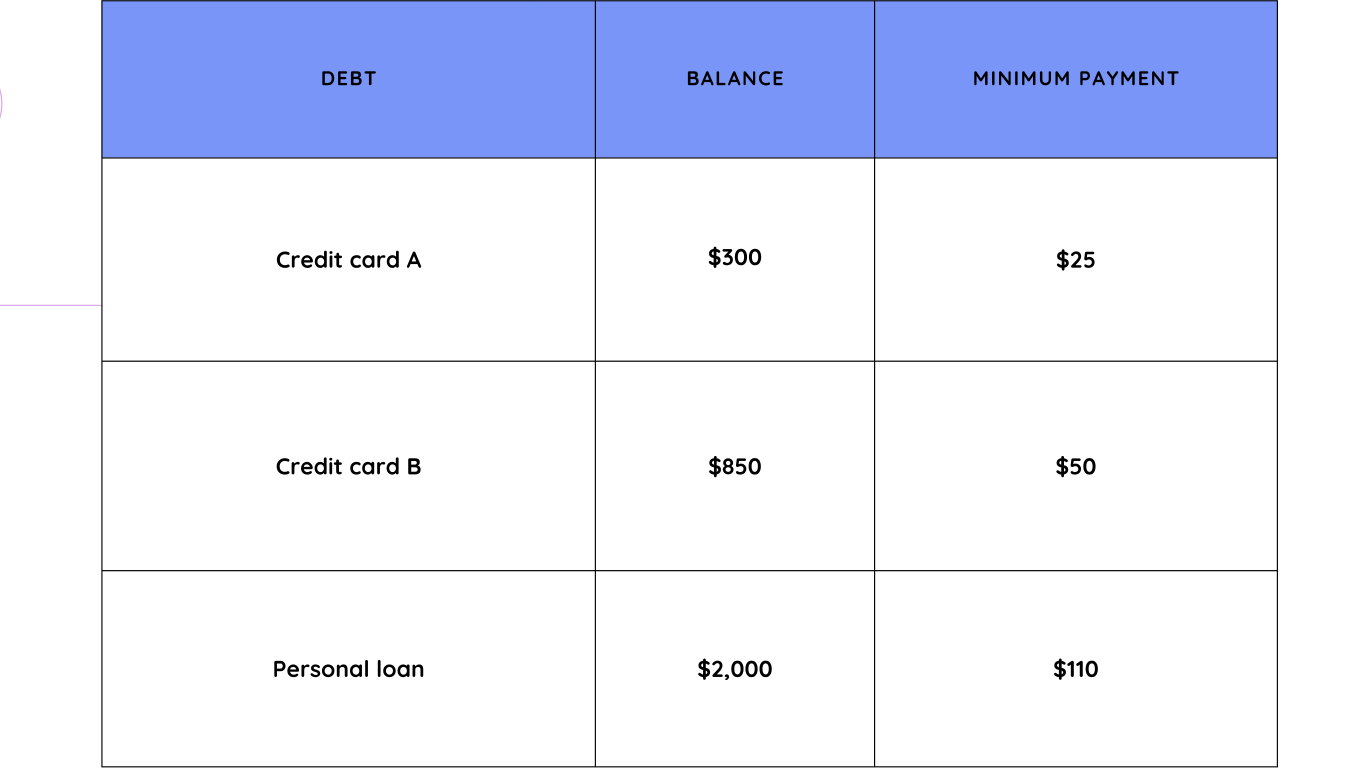
For debt snowball, focus on the smallest balance first, even if it doesn’t have the highest interest rate. In the above example, that would mean starting with credit card A.
Step 2: Make minimum payments on every account
Continue making at least the minimum payment on all debts to avoid late fees and additional penalties. It’s also important not to accrue additional debt on your cards during this time.
Step 3: Put any extra money toward the smallest debt
Now throw every extra dollar you can toward your smallest balance.
This could include:
- Tax refunds
- Gig work/side hustle income
- Money from cutting back on expenses
- Extra cash from selling unused items
Even small extra payments help build momentum.
Step 4: Roll that payment into the next debt
Once your smallest debt is paid off, apply the payment you were making on it to the next-smallest debt.
Example:
- You were paying $25 minimum + $40 extra = $65 total
- After paying off that debt, add that $65 on top of the minimum you were already paying on the next account.
- Continue until all debts are paid!
This is where the “snowball” effect starts to grow.
Step 5: Celebrate each win
Paying off a debt is a big accomplishment, even if the balance was small.
Take time to recognize your progress:
- Mark it off a tracker
- Share your progress with someone you trust
- Treat yourself to a free or low-cost reward
- Pause and acknowledge how far you’ve come
Debt payoff takes time, and celebrating small wins can help you stay motivated for the long haul.
Why people like the debt snowball method
The debt snowball method works well for many people because it:
- Creates quick wins
- Feels less overwhelming
- Builds confidence and momentum
- Keeps the process simple
Things to remember
The debt snowball method isn’t perfect for every situation.
A few things to keep in mind:
- You may pay more interest overall compared to focusing on the highest-interest debt first
- Progress can feel slow in the beginning
- Consistency matters more than perfection
Quick debt snowball checklist
✅ Listed debts from smallest to largest
✅ Continued minimum payments on all accounts
✅ Identified extra money for payoff
✅ Created a way to track progress
✅ Celebrated each debt payoff milestone