Back to Research Library and Insights
The State of Affordability: Why Transportation Costs Matter
In this SaverLife series on affordability, we explore how rising transportation and car-ownership costs affect LMI households.
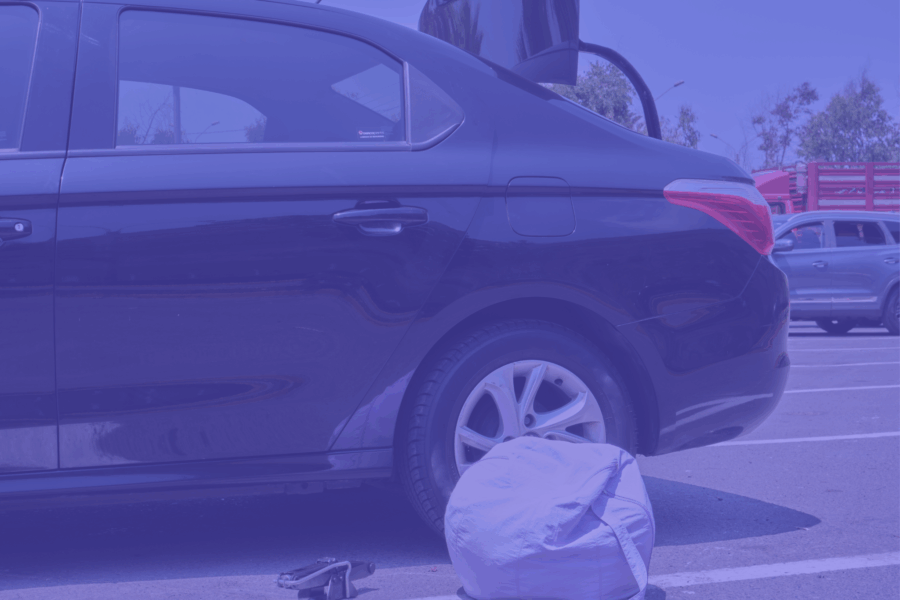
In SaverLife’s State of Affordability series, we examine how rising transportation and car-ownership costs affect low and moderate income households, and how our members are navigating these financial pressures.
Across the United States, millions of working families rely on cars to get to work, run errands, and care for their families. But as the cost of owning a car continues to rise, transportation is becoming one of the biggest financial pressures facing households living on low-to-moderate incomes.
At SaverLife, our members consistently rank transportation among their top financial challenges. In fact, as previously reported, after housing, transportation is the second-largest expense in many of their budgets. For families already balancing tight finances, the cost of owning and maintaining a vehicle can become a major barrier to economic stability and opportunity.
The high cost of getting around
The costs our members encounter when owning a car, such as loans, leases, gas, and maintenance, can add up quickly. And as transportation expenses increase, many families are forced to make difficult financial tradeoffs. Repairing a car may mean draining emergency savings. Paying for gas may mean cutting back on groceries or delaying other bills, especially for members with inconsistent monthly incomes.
When SaverLife member Sherman experienced a severe car accident and had to purchase another vehicle, it wiped out his savings. And when SaverLife member Carla was told she needed new tires, she had to make the difficult decision between putting that purchase on a credit card or draining her hard-earned savings.

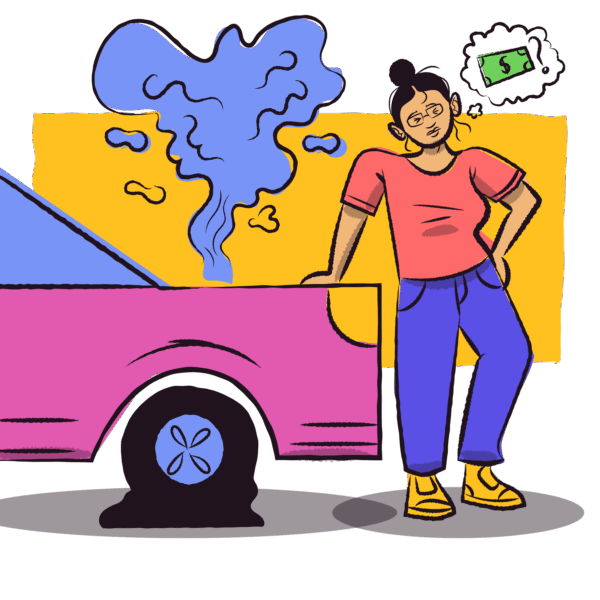
Going without a car: Hidden tradeoffs
Not having a car can be just as financially burdensome as owning one. For many low-and moderate income households, limited transportation dictates where they can work, shop, and access essential services. This is especially true for the 46.2 million Americans living in non-metropolitan areas, where reliable public transportation is scarce and access to grocery stores is limited. Without a car, people may have to turn down jobs due to a lack of adequate transportation, or even rely on grocery delivery services to cover their daily needs.
And while public transportation might seem like a more affordable option, it also has its drawbacks, including inconvenience, inefficient routes, inadequate stops, and safety concerns. For many of our members, the time it takes to reach the intended destination by public transport is much longer than it would be in their own vehicle. This time loss can translate into lost hourly wages, missed medical appointments, and challenges with child care.
What we heard from members
SaverLife, in collaboration with the FINRA Foundation, fielded a survey to 1,212 SaverLife member panelists between August and September 2022 that asked about people’s experiences with transportation costs.
43%
Of Members report their lives are limited because they can’t afford adequate transportation.
45%
Nearly 45% of members have turned down or decided not to apply for jobs due to transportation costs.
59%
Of members don’t use public transportation to get to work because it would make commutes longer.
What this means for affordability
For many households, the rising costs of car ownership and limited access to public transportation create difficult financial tradeoffs. Families may drain savings, take on debt, or even turn down job opportunities simply because the cost of getting to work is too high. In this way, transportation is not just about getting from point A to point B—it can determine whether someone can access economic opportunity at all.
Our members consistently tell us that owning and maintaining a car is a major financial pressure. With the cost of car ownership continuing to rise, transportation affordability will remain a growing barrier to financial stability and economic opportunity for many working families unless we invest in solutions that make transportation more reliable, accessible, and affordable.
From transportation and housing to energy, food, and debt, SaverLife’s State of Affordability series combines member voices with original research to better illustrate the financial pressures shaping economic mobility today. Our members are telling us clearly what affordability means for their futures and our research points to where meaningful solutions can make the greatest impact.
SaverLife Insights: Transportation and affordability

*SaverLife, in collaboration with the FINRA Foundation, fielded a survey to 1,212 SaverLife member panelists between August and September 2022 that asked about people’s experiences with transportation costs.