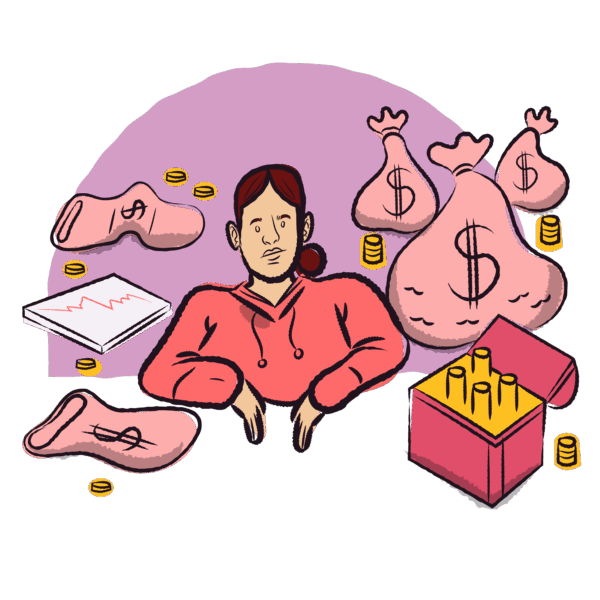
The retirement puzzle
Retirement is often framed as a finish line: work hard, save consistently, and eventually arrive at a moment of rest and security. But for many SaverLife members, retirement looks less like a destination and more like a puzzle—one assembled slowly, piece by piece, amid rising costs, unexpected shocks, and limited room for error.
Recent SaverLife research shows that this tension is widespread. In a June 2025 survey of 1,400 members, 83% identified retirement as a financial goal, even as more immediate needs like paying bills, managing spending, and building emergency savings took priority
Nearly three-quarters reported difficulty covering expenses, and one in three had less than a week of savings. Retirement matters—but it competes with everything else.
The stories of three SaverLife members—Carla, Sara, and Tasha—show what that reality looks like across different life stages. Together, they reveal a missing middle in retirement planning: the space between crisis and comfort, where discipline is high, effort is real, and certainty is still elusive.
Starting early, still on edge

At 28, Carla is doing many of the things she says financial advice encourages. She saves 20% of her household income, tracks every dollar in spreadsheets, and avoids credit card debt whenever possible. Retirement, to her, isn’t about luxury—it’s about relief. Time to rest, to cook real meals, to take care of her health without worrying about falling behind.
Carla’s experience mirrors a broader pattern. SaverLife’s research found that 82% of members experienced an expense shock, and many reported having to redirect savings to manage emergencies. Even among those saving for retirement, progress can stall or reverse quickly when costs spike faster than income.
For Carla, this doesn’t lead to giving up. It leads to doubling down—saving first, sacrificing now, and hoping the system holds long enough to let her get ahead. Her story challenges the idea that early planning alone is enough. When stability is thin, starting early doesn’t always feel like starting strong.
Doing everything right, and still unsure

Sara is further along. In her 40s, she’s reached a point many people are told will feel reassuring: she can max out her retirement contributions. She’s disciplined, organized, and methodical—traits sharpened by a career in manufacturing where anticipating constraints and building contingencies is part of the job.
And yet, she feels uncertain.
Sara describes herself as being “in the middle”—not digging out of debt, not wealthy enough to have a financial planner, and as a whole, not reflected in most retirement advice she’s read. “You can’t just say, ‘I have a 401(k), boom, done,’” she explains. She layers strategies, thinking through what happens if one option doesn’t work and another needs to take its place.
Her approach echoes what SaverLife sees in the data. Among members with retirement savings, 89% hold funds across multiple accounts, including employer plans, IRAs, savings accounts, and investment accounts. This isn’t confusion—it’s adaptation. When liquidity matters and access to funds feels uncertain, people build flexibility into their plans.
Sara’s uncertainty doesn’t come from a lack of effort. It comes from the realization that the closer retirement gets, the more complex the decisions become—especially when caregiving responsibilities, children’s futures, and unknowns are part of the equation. The hardest part isn’t saving. It’s figuring out how all the pieces are supposed to fit together.
Read the report
SaverLife’s latest report explores these complexities and pressures our member face when saving for retirement.

Retired, but still figuring it out
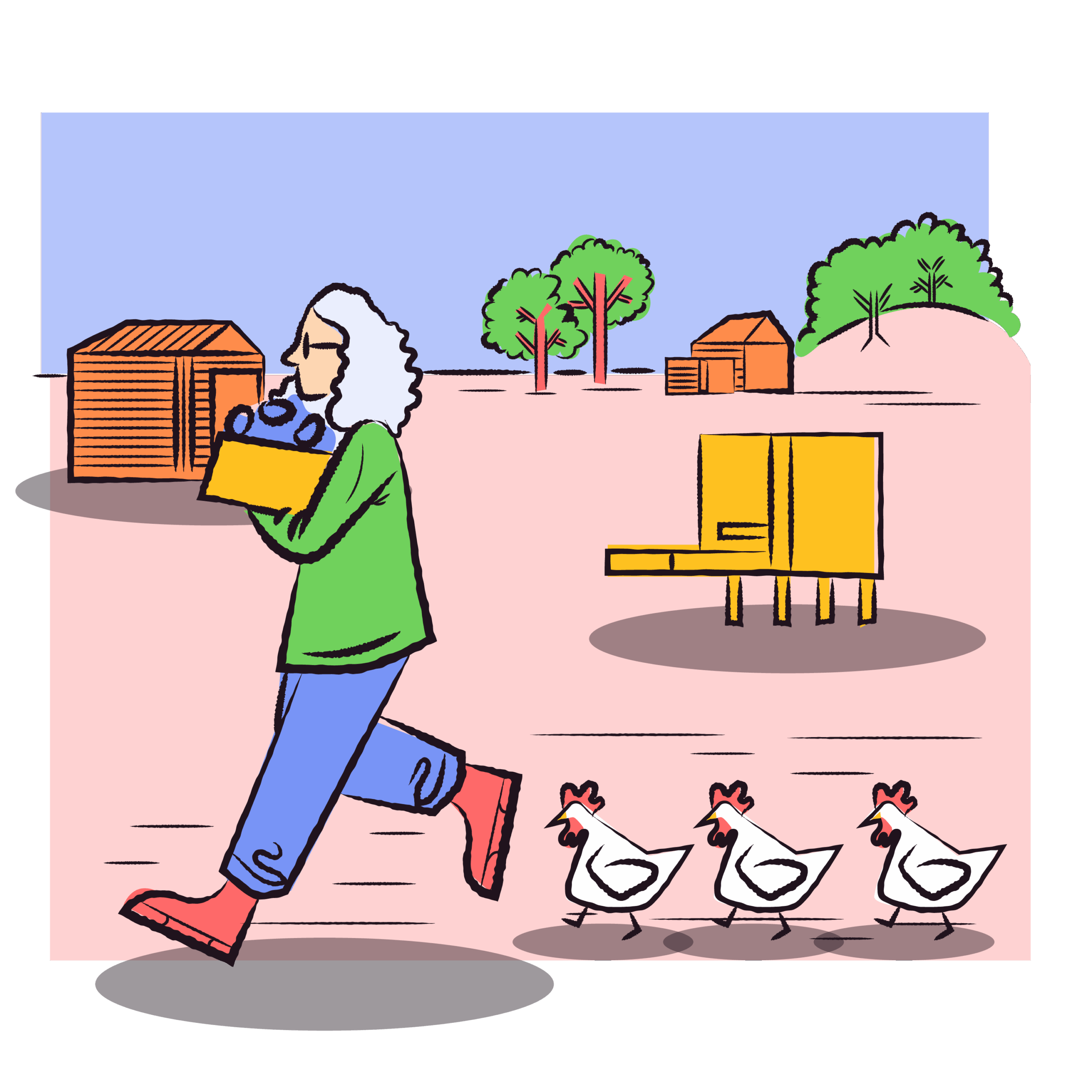
Tasha’s story shows what happens after the traditional finish line. After 24 years with the U.S. Postal Service, she retired earlier than expected and now lives on a farm in rural Mississippi. Her days are full—caring for animals, tending a garden, preserving food—but the biggest shift retirement brought wasn’t rest. It was control. She wakes up each morning deciding how to spend her time.
Financially, retirement required adjustment. Her check is smaller than her paycheck was, and her husband doesn’t have employer-sponsored retirement savings. That means Tasha’s retirement isn’t just about her—it’s about making it work for two. In our research, we found that of those that have retirement savings, 23% of individuals do not have employer-matched accounts.
Like many SaverLife members, Tasha looks for ways to add flexibility without giving up the freedom she earned. She sells eggs to neighbors, resells antiques online, and considers gig work that fits naturally into trips she already makes. Her experience reflects another key finding from the research: 60% of retired SaverLife members identify as micro-entrepreneurs, continuing to earn income after leaving full-time work.
Tasha doesn’t describe retirement as an ending. She talks about it as something she’s building in real time — evaluating options, weighing trade-offs, and staying open to what comes next. Rising costs for groceries and utilities add pressure, but so do habits she’s honed over decades: cooking from scratch, using what she has, and planning carefully.
What these stories tell us
Across all three lives, a clear picture emerges. Retirement planning isn’t failing because people don’t care. It’s struggling because people are navigating long-term goals in a system dominated by short-term strain.
SaverLife’s research underscores this tension. While many members want to save for retirement, immediate needs consistently take precedence, and limited access to employer-sponsored plans and concerns about locking up funds shape how and where people save. For those who do make it to retirement, income often remains patchwork, supplemented by side work and careful budgeting.
Carla, Sara, and Tasha aren’t cautionary tales. They’re examples of resilience, discipline, and creativity. But they also show why retirement needs to be understood as a lifelong process, not a single moment—and why policies, products, and programs must account for the reality that security is built alongside uncertainty, not after it disappears.
The retirement puzzle isn’t about finding one missing piece. It’s about acknowledging the full picture: people doing their best, adapting constantly, and insisting on a future that isn’t defined by emergencies alone.
SaverLife is grateful for the generous support of MetLife Foundation in making this research possible.
Member stories
Read the stories of Carla, Sara, and Tasha to further understand what that reality of what the road to retirement looks like for them.