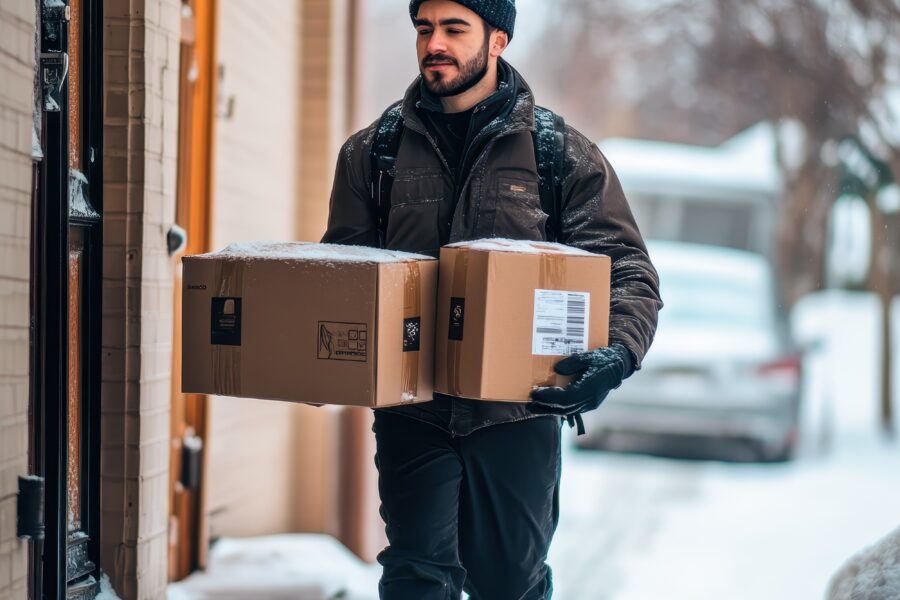
While most people relocate in the warmer months, cooler seasons often offer more opportunities to save. As temperatures drop, so do many of the major costs associated with moving. Fall and winter bring lower demand and more opportunities for flexible scheduling—ideal whether you’re switching neighborhoods, downsizing, or simply seizing a chance to start fresh.
Learn how to plan, budget, and move smarter when the weather cools down so you can transition into your new space with confidence and extra savings in your pocket.
Why Moving In Cooler Weather Can Save You Money
One of the biggest advantages of a fall or winter move is the reduced demand. Summer is the peak moving season, which means services and supplies cost more. With fewer customers competing for dates, you can negotiate rates, secure your preferred time slots, and shop around for better deals.
Rental properties often follow the same trend. Landlords facing winter vacancies may offer incentives such as reduced deposits, discounted rent, or “move-in specials” to fill units quickly.
When the busy season ends, moving companies typically lower their rates to attract customers, giving you the opportunity to secure more affordable services. Compare spring and fall moving quotes, as you could save 20-30% just by adjusting your timeline
Winter isn’t just a cheaper time to move; it can also be a more affordable time to buy. With fewer buyers in the market, sellers are often more willing to negotiate on price, closing costs, or repairs. Homes also tend to stay on the market longer in colder months, giving you more leverage and time to make a thoughtful decision.
Beyond financial benefits, cooler temperatures make the physical act of moving less strenuous. You’re less likely to overheat, and movers often work more efficiently this time of year.
Smart Seasonal Planning: Before You Move
- Budget: Moving supplies, truck rentals, utility deposits, and an emergency cushion for unexpected costs
- Declutter because fewer boxes mean a smaller truck and less time spent moving.
- Monitor Forecasts: Fall and winter weather can be unpredictable—rain, snow, and wind all require extra preparation, such as waterproofing boxes or laying down tarps.
- Book Early: The best companies fill their schedules, so book as early as possible for guaranteed availability.
- Use AI like ChatGPT or specialized moving apps to create a personalized moving checklist and timeline.
Packing & Moving Hacks for Cold Weather
Cold weather can affect certain belongings, so pack fragile and temperature-sensitive items—like electronics, candles, or liquids—with extra care. Use old towels or blankets in place of moving pads to save money and add extra insulation. Keep essentials within reach: warm clothing, blankets, toiletries, tools, snacks, and important paperwork should be easily accessible, not buried in the truck.
Safety is key. Watch for icy patches on sidewalks, driveways, or stairs when carrying boxes. Ensure your utilities remain active at both locations so you’re not packing or unloading into a cold, dark home.
Finding Seasonal Savings Opportunities
Rental properties may offer attractive move-in perks during cooler months, including waived fees or a free month’s rent. When switching utilities, ask about seasonal pricing or new-customer incentives—you may find hidden savings.
Take advantage of the slow season by negotiating with movers or asking about off-peak rates. Comparing moving truck rental prices midweek; Tuesday-Thursday rates are often noticeably lower! Also, supply stores often discount boxes, tape, and totes after the summer rush.
Settling In: Comfort On a Budget
Winter energy costs can be hard to manage – and you’re not alone! In SaverLife’s research on energy cost burden, 78% of members told us it was difficult to cover their bills and expenses in the past year.
Once in your new home, energy-efficient choices can reduce winter heating costs. Seal drafts, install LED bulbs, and adjust thermostat settings to minimize energy consumption. Smart home tools or AI-powered apps can help you track utility usage and identify changes that make a big difference.
Weatherization assistance programs can help defray some of the costs of making your home energy efficient. Check your eligibility here.
Create a cozy new space without overspending by mixing thrifted décor, DIY touches, and budget-friendly home goods. Also, consider starting an automatic monthly transfer into a “home maintenance” fund to stay prepared for future repairs.
Tip: Keep your energy costs predictable by signing up for extra support. Many utility companies offer payment assistance or budget billing to help smooth out high seasonal bills. You may also qualify for LIHEAP, a federal program that helps households cover heating costs. Check your eligibility here.
Save Money, Move Smarter
A cooler-weather move offers meaningful financial benefits—lower rates, less competition, and a smoother, more manageable transition. With smart planning and seasonal awareness, you can save money and settle into your new home before the new year arrives. Cooler weather, lower costs — and a move that feels just right.