
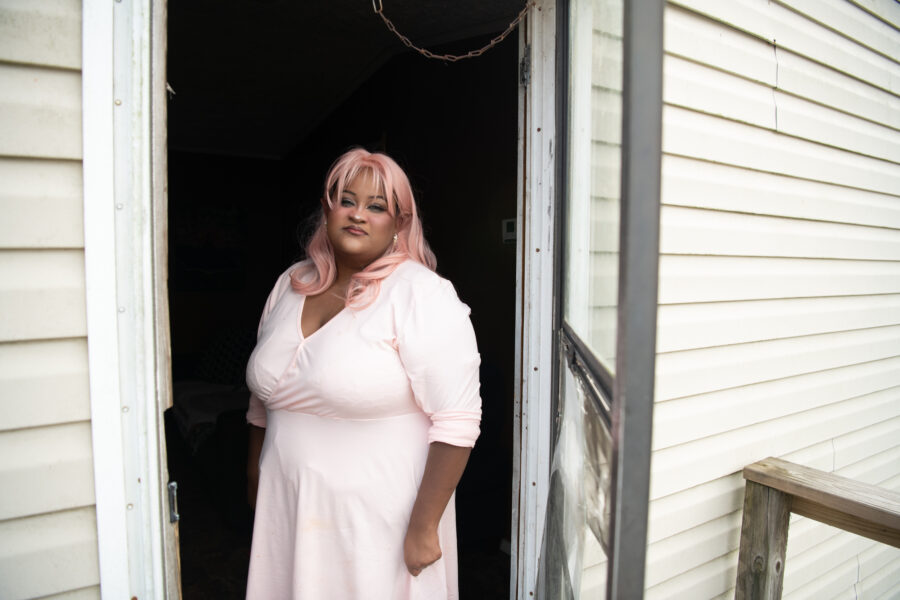
Thinking ahead with careful consideration
Hailey is used to thinking ahead. Living in rural Louisiana, she spends a lot of time planning—how to stretch a paycheck, how to time bill payments, how to make sure her family has what they need even when money comes in unevenly. At 24, she’s juggling student loan debt, a small personal loan, and fluctuating income, all while supporting her family and building a creative career online.
Hailey lives with her parents and younger brother, and family is at the center of nearly every financial decision she makes. She contributes to household expenses, helps care for her brother—who has autism—and approaches money with the mindset of a team player. “If I have it, they have it,” she says. “And if they have it, I have it.”
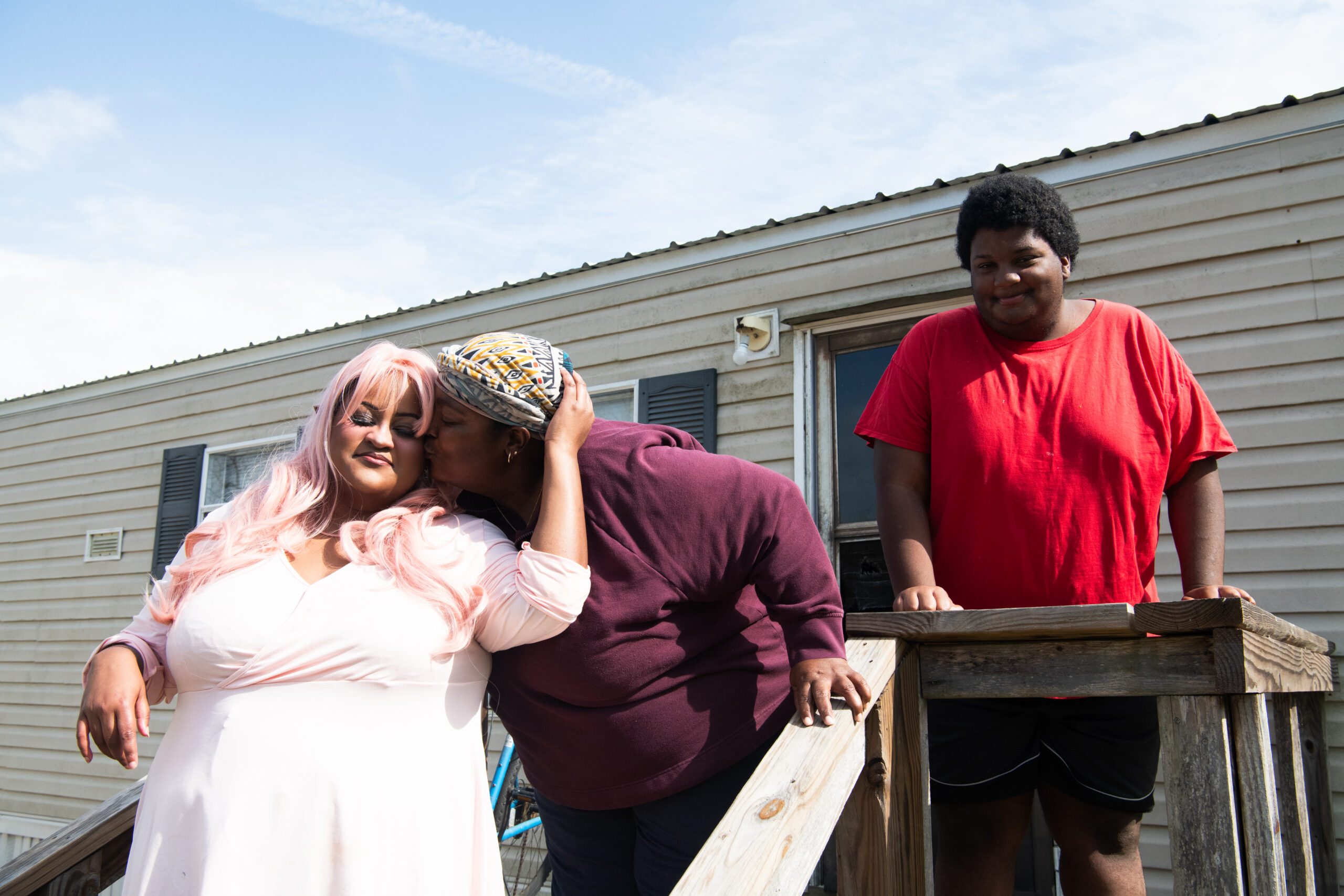
That sense of responsibility shaped how Hailey first took on debt. Her student loans came from a desire to invest in herself and her future—an education that gave her skills, confidence, and perspective, even if it didn’t lead exactly where she expected. Later, she took out a small personal loan during a family crisis, stepping in when food and transportation were uncertain, and she was the best one in her family to apply. “My family is my world,” Hailey explains. “Nobody gets left behind.”
Today, the challenge isn’t a lack of effort or awareness—it’s cash flow. Hailey’s income is inconsistent by nature. She’s a content creator focused on beauty, skincare, and wellness, supplementing that work with paid caregiving for her brother. Some months are steadier than others. Many aren’t. That makes paying down debt less about motivation and more about timing. Hailey’s inconsistent income echoes what we’ve heard from other members. Amongst the young adult members we surveyed, 22% say that their income fluctuates a lot and 41% say that their income varies somewhat from month to month.*
Still, Hailey is deeply engaged with her finances. She tracks her credit score closely, knows how each payment affects it, and uses digital tools to stay organized and proactive. Through her online bank, she monitors balances, watches her credit rise or fall in real time, and sets herself up to pay bills early whenever possible. “If I can pay something ahead of time, I will,” she says. “I don’t want fees. I don’t want surprises.”
Budgeting is constant—and meticulous. Hailey writes everything down, prioritizing essentials like rent, utilities, food, and medication before anything else. When money gets tight, she makes deliberate tradeoffs, deciding which bills must be paid immediately and which can safely wait without snowballing. “You still have to eat,” she says simply. “You still have to survive.” Hailey’s experience is not unique.
Living in a remote area adds another layer of complexity. Without reliable transportation, Hailey sometimes has no choice but to rely on grocery delivery services. She knows they cost more—and she’s done the math to prove it—but safety and distance leave few alternatives. She compares prices, tracks fees, and weighs every decision carefully. “I’m doing math all the time,” she says. “Every fee, every tip—it adds up.”
Despite all this effort, progress can feel slow. Hailey describes it as “treading water”—doing everything right, staying current, avoiding damage, but struggling to move forward in a meaningful way. “It feels like everything around you is moving,” she says, “and you’re still here.”

And yet, her outlook remains steady. Over time, Hailey’s relationship with debt has shifted from fear to realism. What once felt overwhelming now feels manageable, even if it’s not easy. “It’s like a pebble in the road,” she says. “You don’t have to fix everything at once. You just keep going.”
Hailey’s long-term goals are clear: stability, homeownership, and a future where she’s doesn’t feel like she’s on the brink of survival mode. She wants to see her parents retire, own a home she can pass down, and eventually be in a position to help others the way her family and community have helped her. Financial health, to her, isn’t about perfection—it’s about peace.
“It’s okay to start over,” Hailey says. “But it’s never okay to give up.”
For now, she keeps planning, budgeting, creating, and showing up—for herself, and for the people who depend on her. Not stuck, not failing—just navigating life, with resilience and care guiding every step.
*Survey data were collected online by SaverLife from over 200 of its members in July 2025. The survey respondents are Saverlife members who were provided a financial incentive to participate in our research and storytelling efforts.