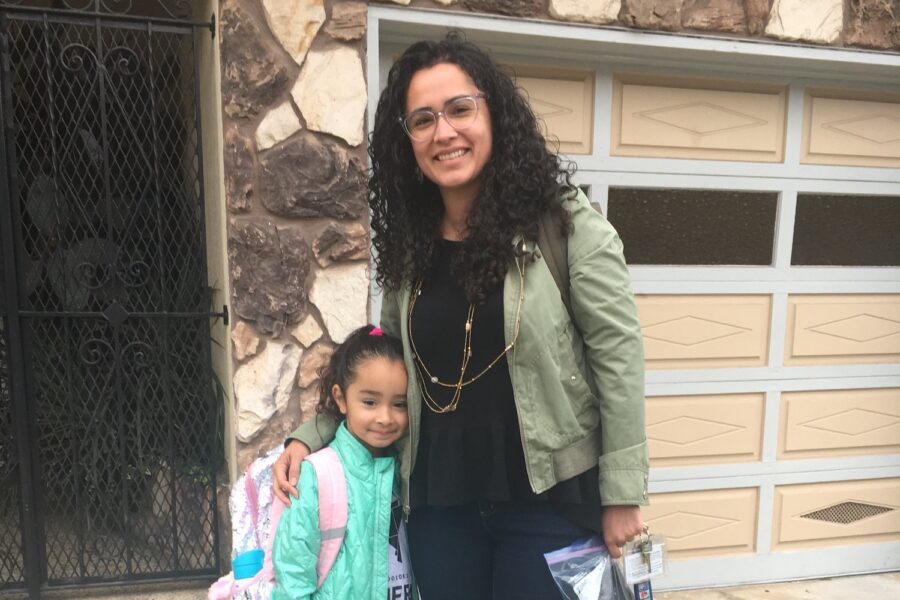
Daisy’s story: Dreaming of a purple house with chickens
MEMBER STORY
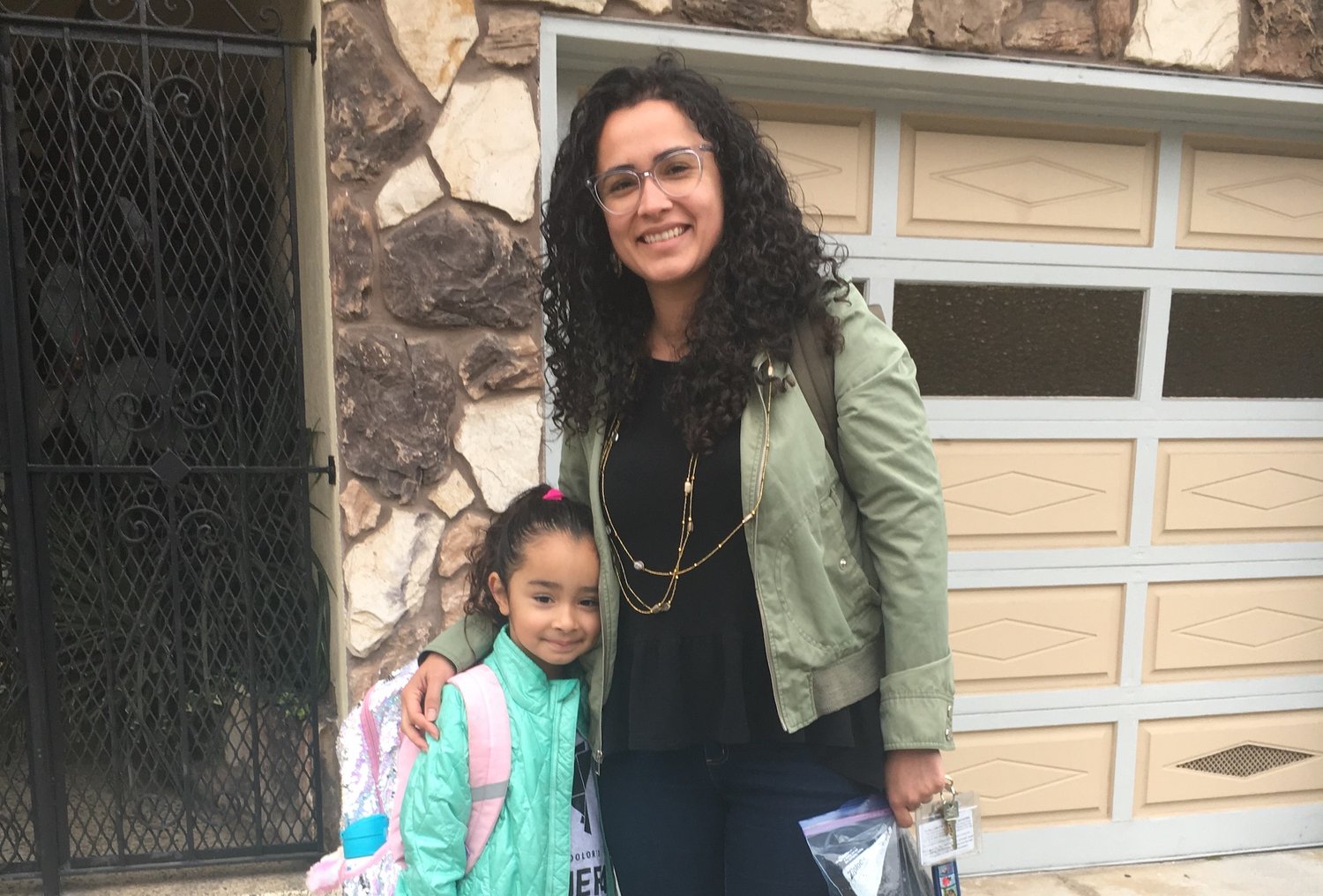
Meet Daisy, a part-time lecturer and breastfeeding peer counselor, living in San Francisco with her 5-year old daughter.
What do you do for a living?
I currently have two jobs and might pick up a third. I lecture a weekly class at San Francisco State University. I also have a part-time job as a breastfeeding peer counselor at the Women, Infants, & Children Supplemental Nutritional Program (WIC), where I work 20 hours a week. Additionally, I’m trying to take up substituting when I’m not watching my daughter to make ends meet.
What did your upbringing teach you about finances?
My mom had a mindset of save, save, save. However, she didn’t really give us the tools to save and we never actually saw the money – it was behind closed doors. I never knew how much we needed in order to get by. There was a lot of restraint for extracurricular activities, too. I also knew my mom was against credit cards.
When I went to college, my family couldn’t help me out financially. There was essentially no family contribution. I didn’t know what to do. My peers told me, “Don’t worry, you can get a loan.” At the time, I didn’t know the language behind what a loan was. I was the first in my family to get a higher education degree, so I felt like I couldn’t turn to anyone in my family about money for school. We never had those conversations about money.
I applied for undergrad scholarships here and there. In college, I was more able to manage my credit card because I would never charge my card unless I could pay for things in full. Things changed after I got my master’s degree during the ’08-’09 recession and I had to rely more on my credit card.
Any advice for people looking to be responsible with credit cards?
A while back, I went to get a car when I was unemployed and trying to make it in LA. What I noticed is that credit is really important for things like this. My good credit score gave me the autonomy to go in and confidently purchase a car. At the same time, my older brother was trying to get a car. But because he had no credit history, he couldn’t get one. I told him he needs build credit to prove to credit companies that he can pay for things.
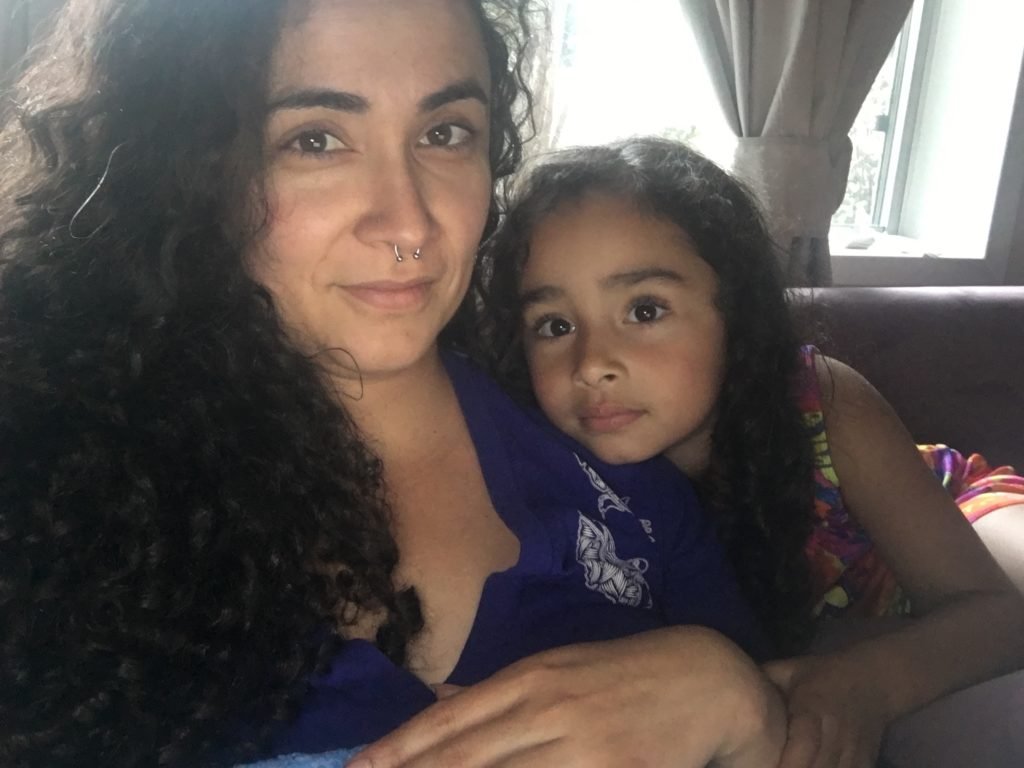
Credit cards are the pathway to bigger credit. Make sure you have a credit limit AND a personal limit. I feel more at ease when I can pay it off easily.
What are your lowest and highest financial points?
The worst was when I was in grad school and recently unemployed. I had savings built up before I had my daughter, but then I left my daughter’s dad and I had to survive off of what I had in my savings.
I’ve managed to bring my five undergraduate loans down to just three and I’m hoping to pay those off. It’s been a decade’s worth of work, and I’m still paying my loans.
Surviving in San Francisco has also been a high point. There were times that I was able to be comfortable and pay rent and even splurge sometimes.
What’s the best piece of financial advice you’ve applied to your life?
“Smart Money Coaching” in San Francisco is a good resource. I was introduced to it at my old job.
Tracking my finances has become really big for me. Now, before I splurge, I log into my bank account and look at what I need to pay off and what I have left. This has really helped me lately. I pause and ask myself, “Do you really need this right now? Can you afford this right now?”
It stops me from getting into more debt. Reminding myself about longer term goals has been really helpful in terms of budgeting.
What’s one short-term saving goal or two?
I want to see my private student loan disappear and narrow my student loans down to two.
I also just want to have one job to cover the bills as opposed to having multiple like I do now. It’ll be easier when it comes to my daughter’s care demands as well as affording to pay rent from one stream of income.
What are your goals for the future?
I’d like to own a house. My daughter and I dream of having a purple house with room for chickens in the backyard. We could have fresh eggs. That’s the goal that I strive for.
Read more member stories
Sharing real stories from real people in our community — honest, inspiring journeys through financial challenges, resilience, and progress.