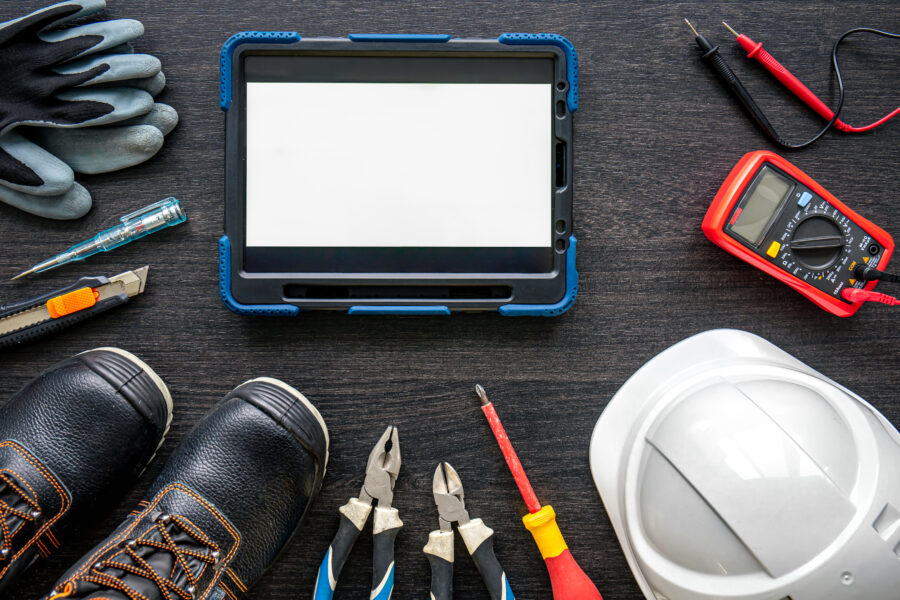
Starting an electrical apprenticeship is an exciting step toward a skilled career. It can also come with a long list of tools to buy. From pliers and screwdrivers to meters, cutters, and specialty equipment, tool costs add up quickly. Fortunately, you don’t have to buy everything at once, and you don’t always need the most expensive tool on the shelf. With a little planning, you can build your collection as your responsibilities and income grow.
Start with your required tool list
Before shopping, check the tool list provided by your apprenticeship program, JATC, employer, or training center. Separate the list into what you need now and what can wait.
Ask whether your program offers starter tool kits, discounts through retail partnerships, or other resources to help apprentices save on equipment. You may also find that your employer or training center provides certain safety equipment or specialty tools. Knowing what’s available can prevent you from spending money unnecessarily
Find out what experienced apprentices actually recommend
A tool list tells you what you need, but an experienced apprentice can often tell you what’s worth buying. Ask a journeyworker, instructor, or apprentice who is a year or two ahead of you which tools they use every day.
Find out where quality matters and where a basic tool will do the job. This can also help you avoid buying specialty tools before you know whether you’ll actually use them.
Build your tool collection over time
Focus on the tools you’ll use regularly for the job you have now, not the job you expect to have in the future. It can be tempting to buy the same tools you see experienced electricians using, but you may not need them at this stage of your career.
Instead of completing your entire toolbox with your first few paychecks, set aside a small amount each month specifically for tool costs. As your pay increases and your skills grow, you can put part of those raises toward future purchases. This lets your toolbox grow alongside your career without putting unnecessary pressure on your budget.
Look for ways to pay less
Don’t assume you have to buy every tool at full retail price. Compare prices between retailers and watch for sales, tool bundles, and manufacturer promotions. You may also qualify for apprentice, student, union, or employer discounts. Used tools can be another option, particularly for durable hand tools, but be more cautious with used electrical testing equipment and safety-related gear. A lower price isn’t a bargain if the tool’s condition or reliability is questionable.
Take care of the tools you already own
One of the easiest ways to save money is to make the tools you have last. Label your tools to make them easier to identify on a busy jobsite. Clean and store tools properly, and check the warranty before replacing something that breaks.
Plan for the unexpected tool expense
Tools get lost, damaged, and worn out. Rather than letting an unexpected replacement become an emergency, create a small tool-specific fund. Even setting aside $5 or $10 from each paycheck can gradually build up enough to replace a broken or missing tool. Having that cash available can keep an unexpected $200 purchase from ending up on a high-interest credit card.
Be careful about financing tools
Financing can make an expensive tool look affordable because you’re focused on the monthly payment. Before using credit or buy-now-pay-later options, look at the total cost. Check the interest rate, fees, and repayment period. If the purchase can wait, saving for it and paying cash may be the better choice.
Don’t forget about taxes
Keep your receipts and records for tools and work-related purchases. However, don’t assume that every tool you buy will automatically qualify for a tax deduction. Tax treatment depends on your employment situation and current tax rules. If you’re unsure, check reputable IRS guidance or talk with a qualified tax professional.
Wrap up
Your toolbox should grow gradually with your career. Start with the essential tools, expand as your skills grow, and take care of your tools.
Building your toolbox is just one part of building your career and financial future. As an apprentice, you’ll likely face other work-related expenses, from boots and safety gear to transportation and certifications. Planning ahead for these tool costs can help you avoid financial surprises.
As you progress through your apprenticeship and your pay increases, consider setting aside a portion of each raise for future career expenses or savings before that extra income becomes part of your everyday spending. Just as your skills and career will grow over time, your financial plan can grow with you.
SaverLife is here to support you along the way with free resources and guidance to help you manage your money and work toward your financial goals.