When money is tight, getting help can feel overwhelming. Searching online, determining eligibility, and contacting multiple organizations feels like a second job. Fortunately, there are local resources available for food, housing, utility bills, healthcare, childcare, and more. Knowing where to start can save you time and stress.
Start with findhelp.org (best overall resource)
FindHelp.org is one of the easiest ways to search for free and reduced-cost services in your community. Whether you need food assistance, housing support, utility bill help, transportation, healthcare, childcare, employment services, financial assistance, or legal aid, FindHelp brings many local resources together in one place.
Simply start by entering your zipcode and browse categories (food, housing, etc.) or filter by cost or location. Review details for eligibility, contact information, and application instructions. As you browse, save two or three organizations that seem like a good fit. Even if you don’t need them today, having resources on hand can make things easier if your situation changes.
Call 211 if you’re not sure where to start
Sometimes speaking with a person is quicker than searching online.
By calling 211, you’ll reach specialists who can identify local resources based on your situation and recommend multiple programs in a single conversation, saving you valuable time.
211 specialists connect people with emergency food, rent assistance, utility bill help, shelters, mental health services, transportation programs, and nonprofits. Dial 211 from your phone, or visit 211.org and enter your ZIP code. Be specific about what you’re experiencing so they can recommend the most appropriate programs.
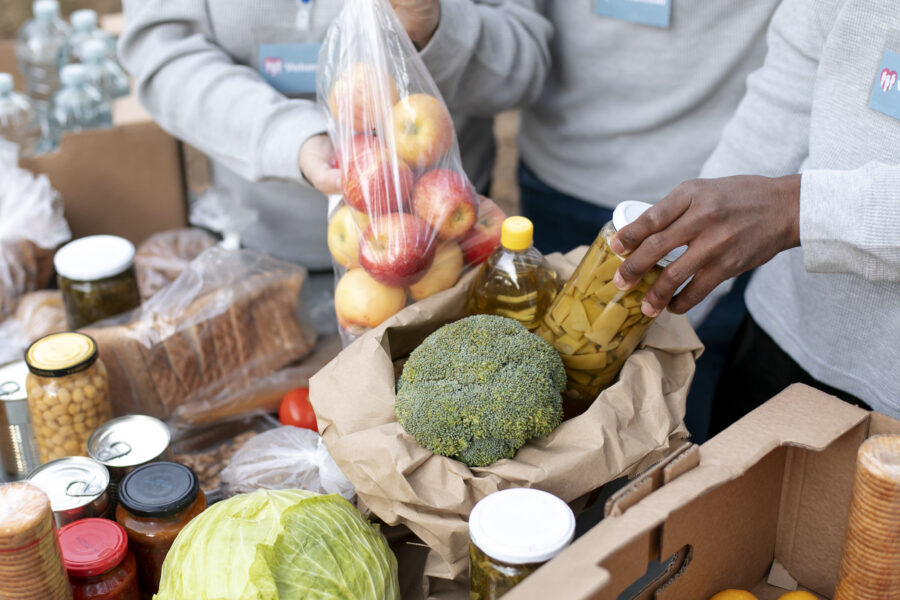
Find food assistance
If you’re having trouble affording groceries, there are free resources that can help.
Start with Lemontree, a SaverPerks partner. Lemontree helps you find local food assistance, free meals, grocery resources, and other benefits you may qualify for—all in one place. Simply answer a few questions to receive personalized recommendations based on where you live and your household’s needs.
You can also use the Feeding America Food Bank Locator to find nearby food banks, pantries, and community meal programs. Enter your ZIP code to locate your regional food bank, then visit its website for pantry locations, hours, and eligibility requirements. Many food banks also provide SNAP application assistance or referrals to other local benefits, so don’t hesitate to ask what services are available.
Get help with rent and housing
Housing costs can quickly become overwhelming. HUD-approved housing counselors provide free or low-cost guidance if you’re behind on rent, facing eviction, struggling with a mortgage, or searching for affordable housing.
Use the HUD Housing Counselor Locator to search by ZIP code and contact an agency directly to schedule an appointment.
If you think you’ll miss a rent payment, contact your landlord before the due date. Many landlords are more willing to discuss arrangements before a payment is missed. A proactive conversation can sometimes prevent additional fees or further complications.
Get help paying utility bills
For essential utilities like electric, gas, or water, contact your utility company if you are struggling with these bills.
Many companies have assistance options that aren’t widely advertised, so ask customer service if they offer hardship programs, payment plans, temporary extensions, or partnerships with local nonprofits.
You should also check whether you’re eligible for the Low Income Home Energy Assistance Program (LIHEAP), which helps qualifying households pay heating and cooling costs. Your local 211 service, FindHelp, or your state’s agency can direct you to the LIHEAP application process in your area.
Find government benefits you may qualify for
When you’re unsure what’s available, Benefit Finder on Benefits.gov is an excellent place to begin.
Fill out the questionnaire about your household, income, and circumstances to identify programs you may be eligible for. These can include SNAP, Medicaid, WIC, energy and housing assistance, childcare assistance, and other support programs.
Answer the questions as accurately as you can. Eligibility rules vary by program, and many people are surprised when they qualify for assistance they didn’t know existed.
Remember, these resources exist to support people through difficult times, so start with these trusted tools if your finances feel stretched. They can make the process less overwhelming and help you connect with assistance quickly. Even one small step today can make tomorrow easier.